Malaria
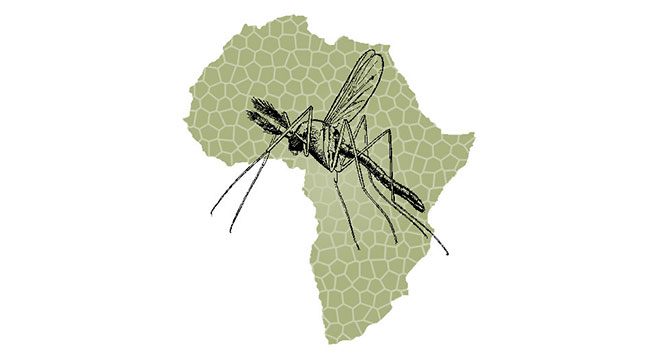
“Malaria is the main epidemic disease that causes death, suffering and underperformance in Africa.”
While a milder form of Malaria impaired the wellbeing of Europeans for centuries and could be eliminated, still, the much more severe tropical form poses the greatest threat to the health and well-being of people living in sub-Saharan Africa. In addition to causing immense suffering and numerous deaths, malaria hinders Africa’s progress and its potential to build a better future for its children. Utilizing resonance in the domain of malaria its chronic effects is a primary objective of ARHF.
Malaria predominantly affects children, as adults who have survived the disease in childhood generally develop sufficient immunological resistance. Despite the availability of regular medication and preventive measures, malaria remains a leading cause of death among African children. It is both a child killer and a disabler, severely affecting the health and development of young populations.
Though data on malaria prevalence in Africa vary and are often based on estimates, they consistently reveal the vast impact this epidemic has on life in sub-Saharan Africa:
- 100-450 million clinical cases of malaria each year (WHO)
- Approximately 400-600.000 fatal cases of malaria each year (WHO)
- Every minute an African child dies of malaria
- 1 out of 6 African children does not grow older than 5
- In addition to malnutrition, malaria is a major cause of the fact that half of all African children are anaemic
- Every school day up to 10-30% of children can be absent due to malaria
- The cost of malaria to the economy in Africa is estimated at $12 billion annually
A breakthrough
The PC Resonance for Malaria, known as PC240m, was first prepared by Peter Chappell in 2002 and has since been used in many cases in Africa. ARHF’s experience with this resonance-based approach has informed its work supporting communities affected by acute and chronic malaria and its longer-term effects.
Potential advantages of PC Malaria include:
- Accessible and affordable
- Non-pharmaceutical and easy to administer
- Simple to produce, distribute, and store
- Designed for use across different age groups
- Suitable for delivery by trained health professionals after appropriate instructions
ARHF actively uses resonance-based approaches in addressing malaria, both to support people affected by the disease and to contribute to prevention. Initial studies have shown clear effects, while ongoing experience and further research continue to strengthen the evidence base.
Africa Malaria Prevention Project – AMPP
The observation that PC240m was associated with reduced malaria occurrence following its use for malaria led to the Africa Malaria Prevention Project (AMPP). Since its launch in Malawi in 2013, AMPP has provided malaria-related services to hundreds of thousands of children and adults through schools, churches, clinics, and village outreach programs.
Across several sub-Saharan African countries, AMPP has reported encouraging results, including reductions in school absenteeism, malaria-related hospitalizations, and deaths. A six-year study in Bukavu, Democratic Republic of the Congo, also reported significantly fewer malaria-related hospitalizations and deaths in the area where AMPP was available.
AMPP impact in Bukavu, DRC
In 2023, AMPP was administered to 73,757 people, resulting in 4,162 fewer malaria cases than expected and 136 fewer malaria-related deaths, including 98 children under the age of five (a decrease of 80%).
References
- Van der Zee HE (2016). Africa Malaria Prevention Project. Homoeopathic Links 2016; 29(2):137–146.
- Van der Zee HE, Alimasi DB, Balikwisha JN, Walach H (2025). Novel Immune Supportive Prevention of Malaria, Data Collection Research in the city of Bukavu (DR Congo). International Journal of Malaria and Tropical Diseases (IJMTD) Vol. 6(1):113-121
Social Return on Investment (SROI)
While the primary aim of ARHF is to alleviate suffering, it is also crucial to consider the socio-economic implications, as healthcare costs significantly affect the economy in Africa.
The study conducted in Bukavu demonstrates that for every dollar spent on AMPP, the Social Return on Investment (SROI) in terms of the costs of health care can reach as high as 40 dollars. The SROI = 40!
The Amma4Africa teams aim to reach 15–20% more people through AMPP each year. In 2024, they reached more than 1 million children and adults, primarily in remote regions with limited access to healthcare. Yet this remains only a fraction of the population across sub-Saharan Africa. With your support, AMPP can reach more communities and help reduce the burden of malaria-related illness, hospitalizations, and deaths.
A Story of Hope & Love – an answer to malaria, AIDS and trauma in Africa
Watch this powerful documentary by Israeli filmmaker Yael Lev, who travels to Kenya to explore ARHF’s resonance-based approach to supporting people and communities affected by HIV/AIDS, malaria, and trauma. Featuring ARHF members and volunteers, the film offers an insight into the foundation’s work and its experience bringing accessible, natural approaches to communities where support is needed most.
Real Stories of Healing and Hope
PC240m in a Case of Acute Malaria
Africa Malaria Prevention Project Kenya